

Dayton is a cyclists’ dream come true, offering the nation’s largest network of paved trails – 350+ miles! Come for a visit to Dayton to explore these beautiful trails that weave among diverse habitats, from forests and wetlands to along rivers and lakes. Whether you're visiting for the first time or exploring your own backyard, there's always a new trail to discover.
In addition to the excellent bike trail maps available at www.miamivalleytrails.org, you can dive deeper into the region's history by exploring the new book Bicycling Through Dayton: Twenty-One Historical Tours. Enjoy this blog written by the book’s author, Kathleen Smythe.
We are excited to announce a new book that takes cyclists of all abilities (and armchair explorers) through the rich history of Dayton often on its extensive network of trails. Building on our experience writing historically-themed bicycling tours for Cincinnati, I have written Bicycling Through Dayton: Twenty-One Historical Tours with help from Chris Hanlin and Gabriella Scolio.

You can purchase the book here: https://www.ohioswallow.com/9780821426548/bicycling-through-dayton/
Traveling through the landscape under our own power, on foot or on a bicycle (or in a wheelchair), can help us see specific places, such as Pearl’s Fen; homes where dreams were built, such as those of engineer Edward Deeds; and colleges founded on the loftiest of ideas, such as Antioch College.
This book and its tours aim to help us hear the voices of those who came before us, too. Female would-be astronauts and bicyclists took to new technologies. Natalie Clifford Barney left volumes of writing about her experience as a lesbian literato. The tours in the book help us to imagine Dayton in the early 19th century when it was last century’s “Silicon Valley."1] And to ponder the significance of UFO-shaped houses and planes.
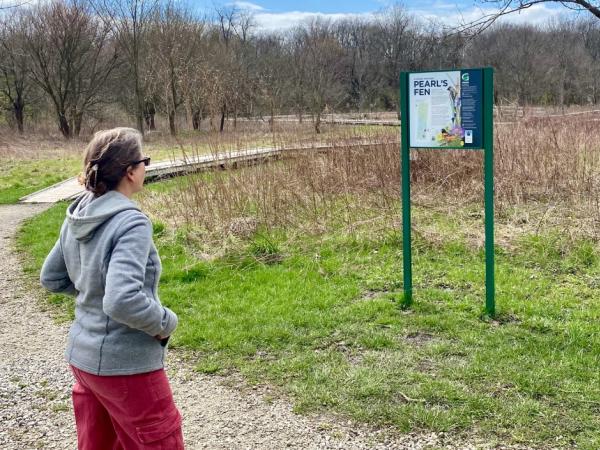
Pearl’s Fen, photo by Chris Hanlin
Of course, a few names will be familiar, such as Arthur E. Morgan, chief engineer of the area’s flood control system, but others, like Lucia Bravo, bike trail advocate responsible for some of the first miles of trail in the region; or, James Amon, wetland biologist, who has helped save hundreds of acres of wetland are not as well known.
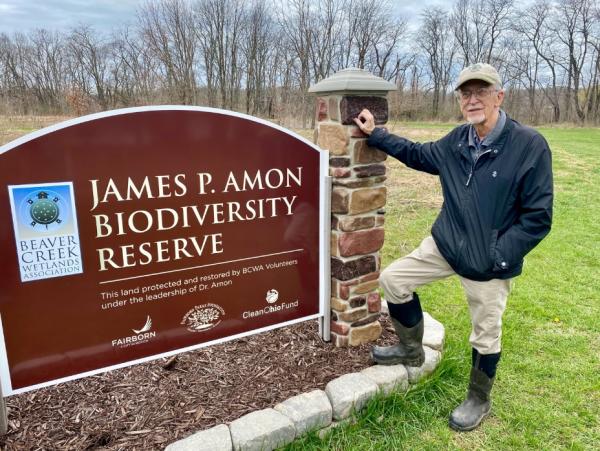
James Amon at the wetland named for him, photo by Chris Hanlin
One tour is of public sculptures and includes a visit to Carillon Historical Park to see a statue of naturalist Marie Aull (1897-2022) and to Leo the Lion in front of the Dayton Art Institute.
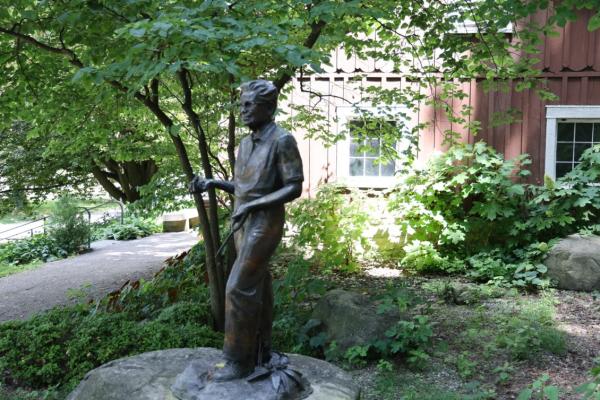
Marie Aull statue, photo by Kathleen Smythe (located at Carillon Historical Park)
Another tour starts in Brookville where Warren Rasor, a competitive balloon racer lived, and travels along the Wolf Creek Trail before heading east toward Englewood and Aullwood Gardens Metro Park.
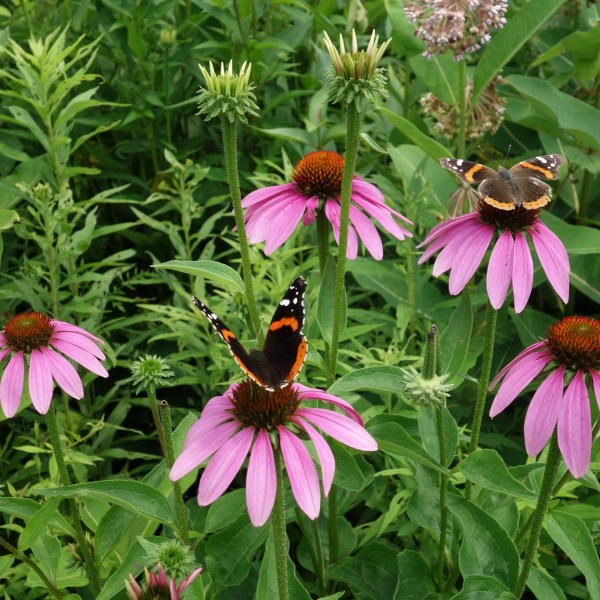
Aullwood Gardens MetroPark
A third tour of Public Parks Past and Present takes visitors to places where parks used to be: Old River Park, a much-larger Bomberger Park, and to Grotto Gardens, all that remains of a much larger green space area, Lakeside Park. Riders can also visit parks that are open and beautiful: SunWatch Indian Village, Cooper Park, and Hills and Dales Metro Park.
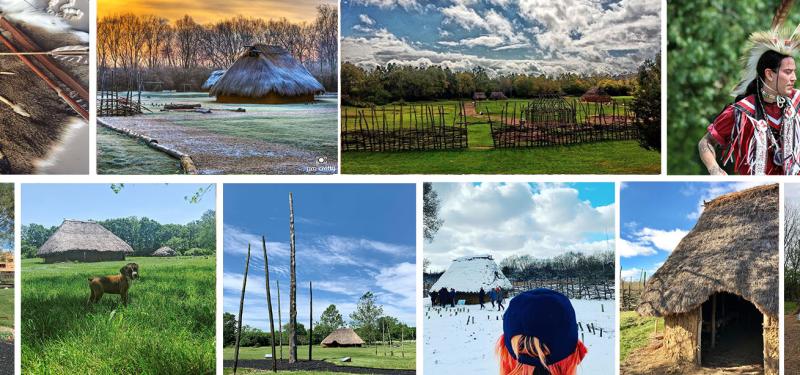
SunWatch Indian Village
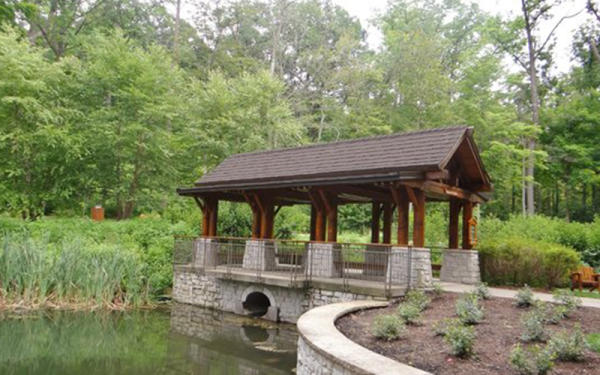
Hills & Dales Metro Park
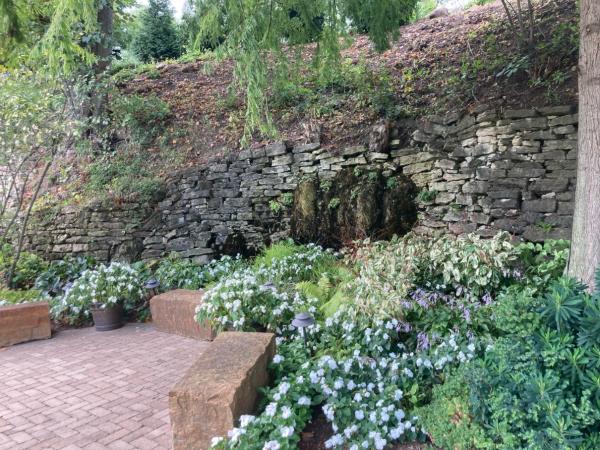
Grotto Gardens, photo by Chris Hanlin (at the Dayton VA Center)
We hope one or more of the tours and stories will enrich your appreciation for and understanding of Dayton and its history. This book aims to combine the euphoric lightness and freedom of cycling while connecting riders to the stories that make a place feel like home.
To continue exploring our region's outdoor experiences, including the extensive trail network, visit our website's outdoor recreation section.
[1] Samuel R. Staley, “Dayton,, Ohio: The Rise, Fall and Stagnation of a Former Industrial Juggernaut” The New Geography, August 4 2008, last accessed 8 April 2022, http://www.newgeography.com/content/00153-dayton-ohio-the-rise-fall-and-stagnation-a-former-industrial-juggernaut