If you think aviation history is just about the Wright brothers, think again. Dayton, Ohio—the birthplace of flight—is home to the National Museum of the U.S. Air Force™, the world’s largest military aviation museum and one of the most fascinating places on Earth for aviation buffs and casual visitors alike. With more than 360 aircraft and aerospace vehicles on display, this free museum offers an unparalleled glimpse into innovation, courage, and history. But among these hundreds of aircraft, a few truly stand out. These planes aren’t just machines—they’re legends, icons, and in some cases, time capsules of defining moments in American history. Here are five incredible aircraft you absolutely can’t miss (plus a bonus one for the tech-lovers):
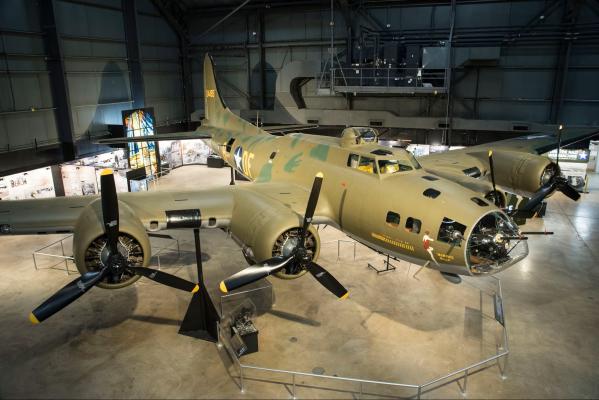
1. Boeing B-17F Memphis Belle™
The Boeing B-17 Flying Fortress wasn’t just an airplane; it was the workhorse that helped turn the tide in World War II. Built for high-altitude precision bombing, this four-engine giant featured turbosupercharged engines and heavy defensive armament—allowing it to soar at 30,000 feet and fight off enemy fighters from every angle.
The B-17F model was the fastest of the fleet and formed the backbone of early strategic bombing campaigns in Europe. And the Memphis Belle? This beauty became the first heavy bomber to return to the U.S. after completing 25 missions over Europe, making it a national icon. After years of meticulous restoration, you can now see this historic aircraft proudly on display, looking as powerful and resilient as ever.
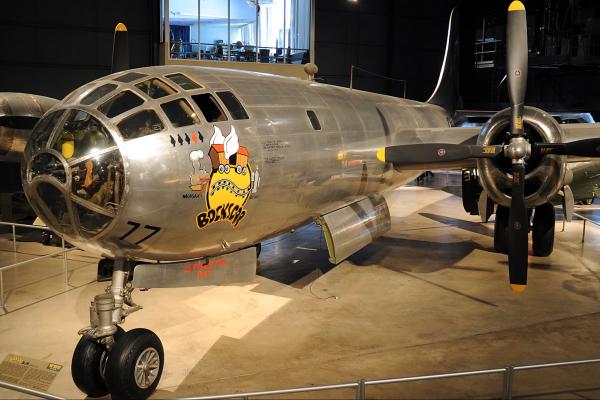
2. Boeing B-29 Superfortress “Bockscar”
Few planes have changed the course of history like the B-29 Superfortress—and none more so than Bockscar, the aircraft that dropped the Fat Man atomic bomb on Nagasaki on August 9, 1945, effectively ending World War II.
Designed as a replacement for the B-17 and B-24, the B-29 introduced cutting-edge technology for its time, including pressurized cabins and remote-controlled gun turrets. Most carried heavy armament, but Bockscar was one of 15 “Silverplate” modifications built specifically for atomic missions. Today, this powerful reminder of wartime innovation (and its devastating consequences) is preserved for future generations at the museum.
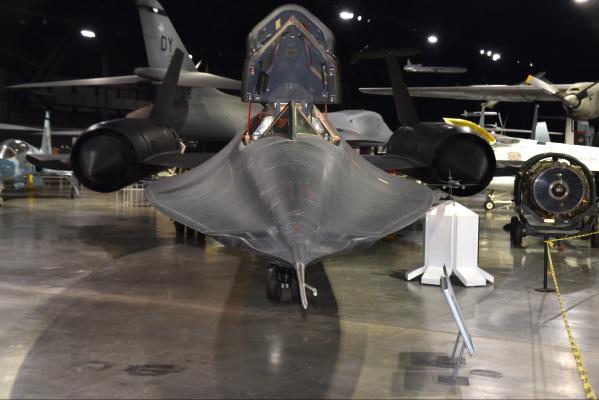
3. Lockheed SR-71A Blackbird
Ready for a plane that looks like it came straight out of a sci-fi movie? Meet the SR-71 Blackbird, an engineering marvel and Cold War icon. Built for speed and stealth, the SR-71 was the world’s fastest and highest-flying operational aircraft—cruising at over 2,190 mph at altitudes above 85,000 feet.
On display is the SR-71 that flew the very first operational mission of the Blackbird program and completed 942 sorties, more than any other SR-71. Standing next to it, you can almost feel the heat from the sonic speeds it once achieved while photographing vast stretches of Earth during tense geopolitical times.
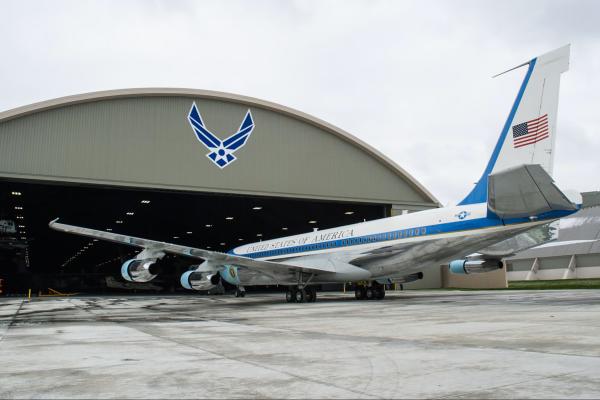
4. Boeing VC-137C SAM 26000 (Air Force One)
History happened inside this aircraft. The Boeing VC-137C SAM 26000 was the first jet ever built for the President of the United States—and it served eight presidents from Kennedy to Clinton. When JFK requested a new look for Air Force One, First Lady Jacqueline Kennedy collaborated with designer Raymond Loewy to create the iconic blue-and-white paint scheme still in use today.
This plane carried Kennedy on his famous trip to Berlin (“Ich bin ein Berliner”), Nixon on his groundbreaking journey to China, and Johnson during the signing of major civil rights legislation. Most famously, it’s where Lyndon B. Johnson was sworn in as president after Kennedy’s assassination. And here’s the best part: you can walk through it at the museum and stand in the very aisle where history changed forever.
5. North American XB-70 Valkyrie
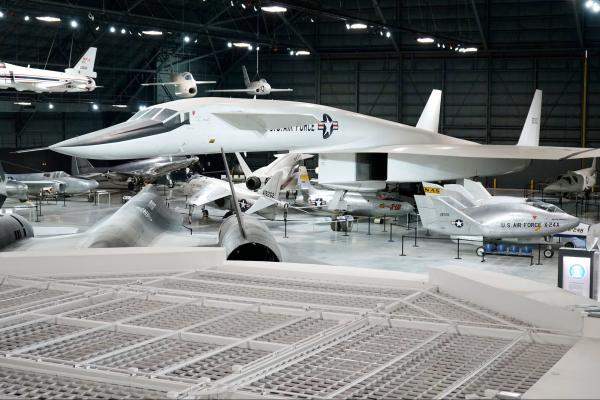
Futuristic doesn’t even begin to describe the XB-70 Valkyrie. Conceived in the 1950s as a Mach 3 nuclear bomber, the Valkyrie could hit speeds of 2,000+ mph and fly at altitudes so high, it seemed untouchable. But as missile technology advanced, its role as a strategic bomber became obsolete before it could even deploy.
Instead, the XB-70 became a testbed for supersonic flight research. Only two were ever built—and the one at the museum is the only surviving Valkyrie in the world. Towering at nearly 190 feet long with its sleek delta-wing design, the XB-70 still looks like something out of the future.
Bonus: Lockheed Martin F-22A Raptor
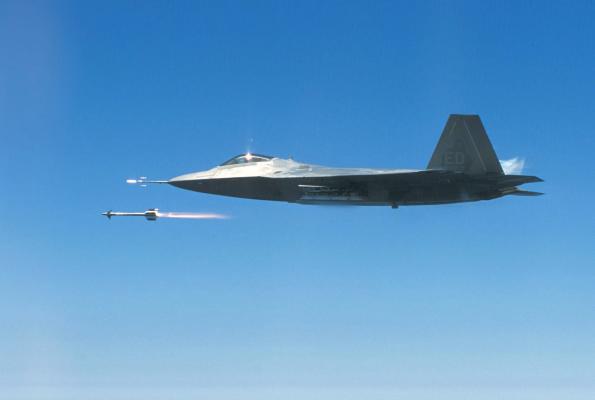
Fast-forward to the modern era, and the F-22 Raptor takes center stage. The first operational stealth air dominance fighter, the F-22 combines radar-evading design with incredible maneuverability and supercruise capability. It’s so advanced that during one military exercise, Raptors scored a 108-to-zero kill ratio against top-tier adversary aircraft.
The Raptor on display at the museum was part of the original engineering and development fleet and represents one of the most dominant fighters ever built—a fitting conclusion to your journey through aviation’s past, present, and future.
Plan Your Visit
From World War II icons to Cold War marvels and next-gen stealth fighters, the National Museum of the U.S. Air Force™ is more than a museum—it’s an experience that will leave you in awe. Best of all? Admission is FREE!
Ready to discover the unexpected? Lace up your walking shoes and take flight into history—you’ll need plenty of time to explore it all.